Cate Lawrence on Killing Hype and Getting Journalists to Care
Dec 5, 2025
8 min read
Author
Intro by Rasmus Holt @ BlackWood
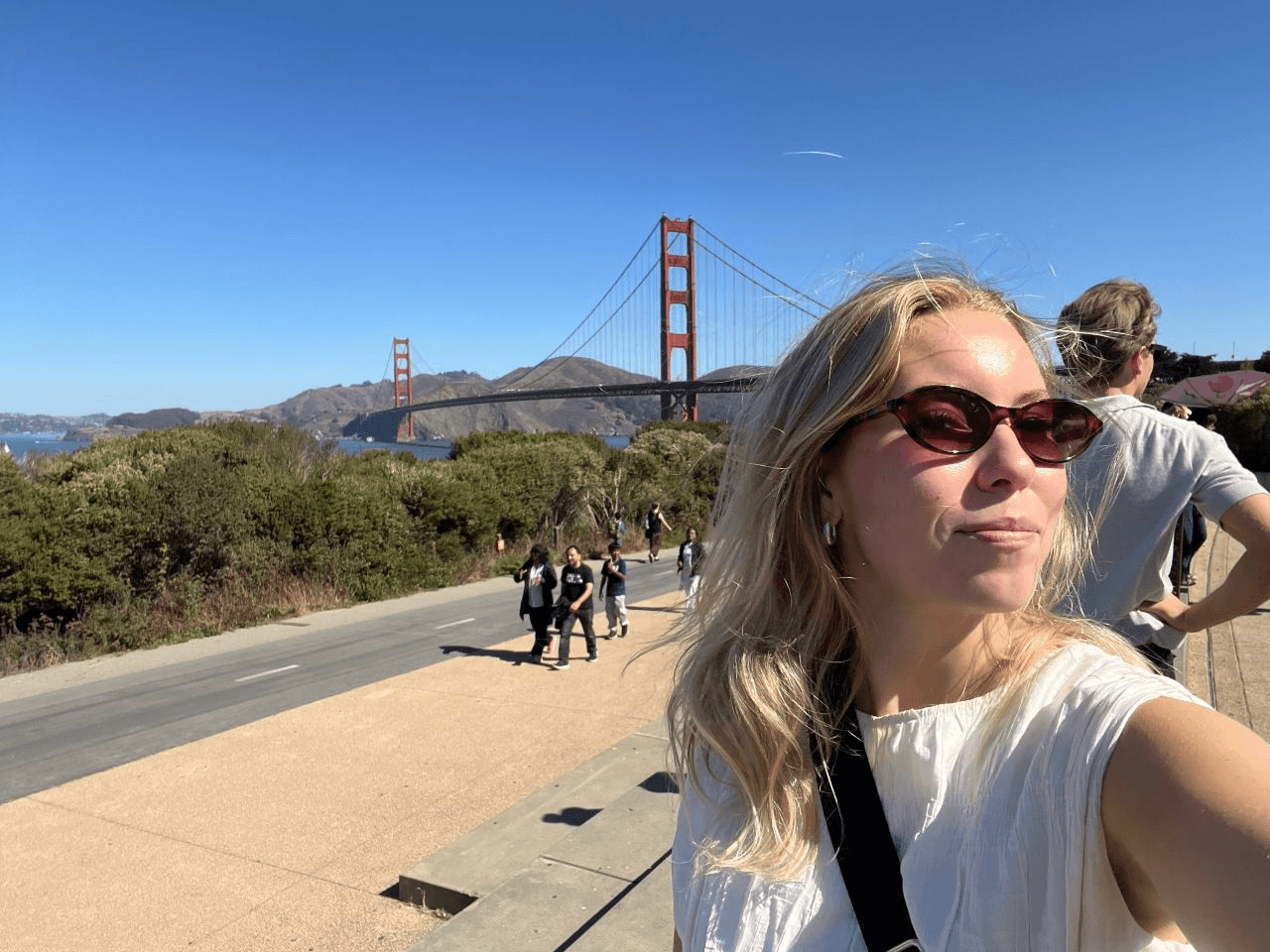
Cate Lawrence is a senior journalist at Tech.eu and one of Europe’s most recognisable voices in early-stage reporting. She spends her days sorting signal from noise across thousands of weekly pitches, covering everything from robotics and IoT to health tech, open source and AI. Cate has written for TNW, ReadWrite, IoT Tech Trends and a long list of specialist outlets.
Beyond the bylines, she has become a quiet educator for the ecosystem. Her commentary on press-release quality, hype-free storytelling and founder communication is widely shared because it cuts through the theatre around startup funding announcements, which her industry colleague Eleanor Warnock recently declared dead. Now seems like a good moment to get her view on it.
She has interviewed founders and operators across dozens of markets, giving her a rare view of what’s real, what’s inflated, and what actually matters.
Based in Berlin, Cate also works with startups on media strategy, helping them avoid the familiar mistakes she sees every week. And given that she’s usually the one shaping the questions, this edition puts her on the other side for a change. Read along…
Q&A - Cate Lawrence, Senior Journo @ tech.eu
You see thousands of pitches a week. What’s the fastest way for a founder or fund to stand out for the right reasons?
Have a real hook that makes someone want to read about you. We work for readers — not startups, not VCs, and definitely not PR teams.
For startups, that hook can come from several places:
A compelling founder story always helps — We recently covered a founder who used to be a professional magician, haha. Even the team's origin story can be a hook: how you met your co-founders, or how you all saw the same problem while working at a competitor and decided to break away to solve it properly.
An unconventional career path (I’ve interviewed three funded under-18 founders this year e.g. Liam Fuller and Alex Leontaridis),
Or a clear personal connection to the problem you’re solving. Why you? Why is this your passion?
An insider view. Is there something unique to your sector that no one is writing about? I get a lot of great content this way.
For VCs:
I do interview a lot of VCs - I’ve been quietly writing a series on the most prolific VCs in Europe, which has included Antler, HV Capital, EQT, and more to come — we often have a long lead time. I look for interesting stories or strong contrary opinions about the sector.
I get pitched almost daily from VCs who want to share their opinion about AI, for example, but most unfortunately, read as if they were written by AI or fail to say anything new or provocative.
Sometimes the most interesting story is an initiative you are involved in, like the European startup embassy or a new service offering or a research study you have undertaken in collaboration with a publication like ours.
What’s the most common mistake you still see in press releases, even from experienced teams?
Honestly, it’s the basics. No date. No photo — or only a vertical shot fit for Instagram. No link to the company website — this is how we accidentally mix up companies, as there are many with similar names. No clear contact email address beyond an info@, which no one checks, meaning we have to contact the founders on LinkedIn for an interview, which they might also fail to check. Do this a few times a day, and you can appreciate how much time it takes.
Or crucially, a lack of advance notice. We get a lot of news sent on the day of release – we’ve already planned our calendar for the day, and most of the year, we’re at events as well, so we're already juggling responsibilities.
Or if you are sending your press release at 5 pm for a 6 am announcement the following day, you’ll likely be waiting to be covered if at all.
You’ve been outspoken about “hype language” and word salad. What type of storytelling actually works on you?
Unless you are writing for a publication specific to your industry, stories need to be accessible to all readers. Talk like you are explaining your tech to someone not in your industry. Provide the impact and benefits.
As a journalist who has covered a lot of hype cycles and seen a number of sectors I was extremely passionate about fail (like certain aspects of industrial tech) to come to fruition despite the startup's best interests, I am always excited by the why now, especially where other attempts have failed.
What shifts are you noticing in European tech coverage? Anything founders consistently misread about how media works today?
Teams are smaller, hands down.
This means we wear many hats. Besides what you see on the website, we are doing a whole lot of other work, like attending and moderating at conferences, writing newsletters and helping with reports. For example, at Tech.eu, we hire a data scientist who works with us to create our weekly/monthly/quarterly/ annual reports, but I coordinate the forewords and write the conclusions. It all takes time away from writing stories.
That said, being busy doesn’t mean you can’t reach out to us. You don’t need a PR to do this. I try really hard to acknowledge the vast majority of emails.
Ultimately, we do this work because we are genuinely passionate about startups and the sector. There’s no shortage of stories, I’m looking for the story underneath the pitch most of the time.
Oh, and if we cover you, please share the article. Good coverage encourages us to do a follow up.
You cover a wide span of sectors. Which space feels the most grounded in real progress right now?
AI is ubiquitous, but energy, chip and semiconductor development are compelling. And, I’m always excited by materials innovation, industrialtech, healthtech, and biotech.
You’re usually the one interviewing others. What’s one question you wish people would ask you more often?
How can we support European tech media? VCs love to tell me “journalism is dead,” but funnily enough, none of them offer a sustainable business model to keep it alive. I wish more people would think about how they can help strengthen the ecosystem that tells their stories.