Joseph Khoury on Running the Nordics' Largest AI Society
Oct 1, 2026
4 min read
Author
Jonas Madsen

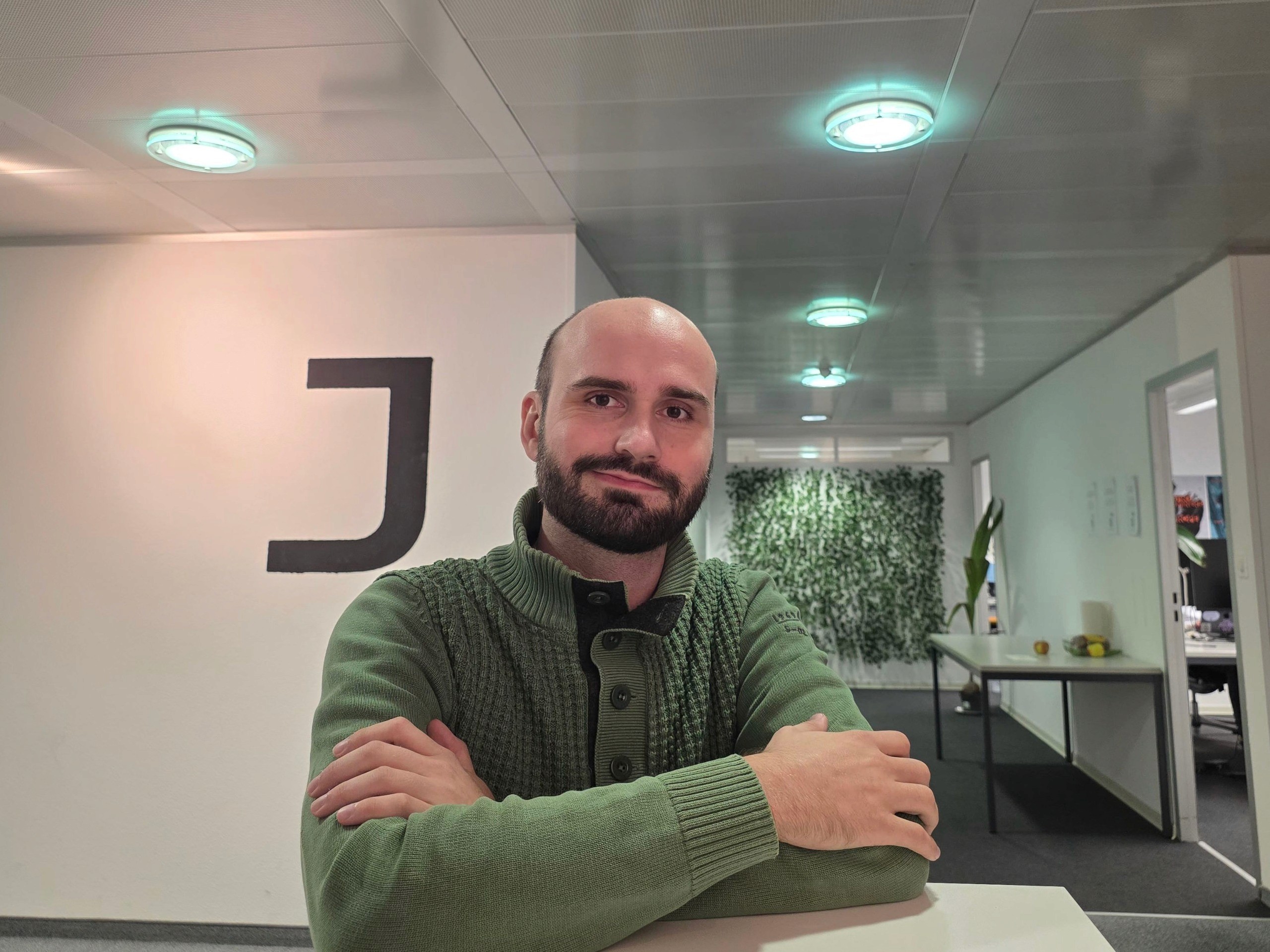
Joseph G. Khoury is Chairman of the Board at KTH AI Society, the largest AI society in the Nordics and one of the largest in Europe, with 100 members across five departments and a network reaching thousands.
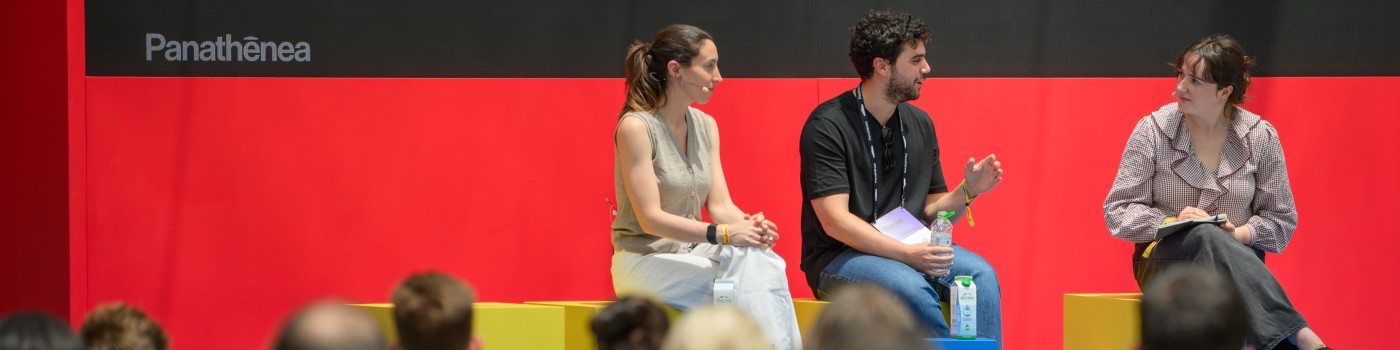
We met Joseph in Stockholm on Friday, and the conversation was good enough that we wanted to keep it going.
He joined the society as a Business Development Representative in early 2025, moved up to Associate, and was elected Chairman in May. Alongside that he has worked as an Equity Research Analyst at Ingenjörskapital, a student-run investment fund, and before that built powertrains for KTH Formula Student. He is studying Industrial Engineering and Management at KTH with a specialisation in computer science.
Born in Sweden, raised in Lebanon and now back in Stockholm, Joseph has a close view of where Europe's next generation of AI talent actually ends up, which is something almost nobody outside the universities gets to see.
We sat down to talk about his path from Lebanon to KTH, what he is seeing in the student layer that the rest of us are not, and where he thinks this generation of technical talent is heading.

Q&A
You grew up in Lebanon and ended up at KTH in Stockholm. What is the story behind that, and how much does where you are from shape how you think about building a career in tech?
I was born in Sweden and moved to Lebanon when I was five. I went to Brummana High School, a Quaker school that my father and grandfather also attended. It taught me integrity, discipline and how to hold myself to a high standard, and it gave me a strong foundation to grow from.
Home was just as formative. Around the dinner table, my father and I constantly discussed and debated politics, society, technology and business. I questioned everything, and when I disagreed with something, I pushed back and often rebelled. Those conversations taught me to think for myself and to defend a position with reasons.
I had my eyes set on KTH from a young age, and I wanted to become an engineer like my grandfather. I moved back to Sweden, finished high school with straight A's and got into KTH. Having grown up between two cultures shapes how I think. Sweden gave me a belief in innovation and in building things properly. Lebanon gave me resourcefulness, grit and the instinct to spot opportunity in difficult conditions, a trait you see in Lebanese founders and entrepreneurs around the world.
You joined KTH AI Society as a business development rep in early 2025 and were elected Chairman by May 2026. What did you see in the organisation early on that made you want to run it?
KTH AI Society is widely regarded as one of the best student-run AI organisations in Europe. I was first drawn to the brand and its professionalism, and I stayed for the structure and the impact it has had on so many people. It isn't a typical student club, and many great people and companies have come out of it.
The longer I was inside, the more I saw. There were things that could be optimised, initiatives that needed to be started, and a spirit that needed to be fostered. That is what made me want to run it. I am deeply interested in strategy, and I like to treat life as a sandbox, a place where you can test ideas, make decisions and see what they change. What I enjoy most is creating value and making decisions that have a real, positive effect on people's lives. Leading a 100-person organisation at this young age is an honour, and it gives me the chance to do exactly that.
You have a view of the student layer that almost nobody outside the universities gets. What is different about the students building with AI now compared to two years ago?
I have a front row seat to what is happening in Sweden and across Europe, and things have accelerated at an incredible rate. Students are far more productive now and can work on several things at once. The truly exceptional ones channel that productivity into a single place. It has never been easier to start something, or to become a "founder" on LinkedIn. What sets great students apart is that they filter out the noise and fixate on a niche problem.
That said, I don't believe life is easier now. The problems we are solving are far more difficult than they used to be, so we end up working just as hard, if not harder.
A big part of your role is corporate partnerships. What do companies actually want from a room full of technical students, and what do they get wrong about how to reach them?
Technical students are in higher demand, even though many people assume AI will take their jobs. Companies want to recruit the best talent, and being able to use and understand AI tools is now a must. Most companies get this, and they come to KTH AI Society to find and recruit talented students. The best way to reach technical students is through organisations like ours. Career fairs are fine, but many companies make the mistake of staffing their booths with HR people. We put companies in direct contact with great technical students. Investing in the ecosystem and showing that you care about the people that you are trying to recruit is something that most companies need to get better at.
The best technical graduates in Europe still have San Francisco in the back of their minds. From inside KTH, what would keep more of them building here?
It starts with making it feasible for companies to stay in Sweden and in Europe more broadly, and a lot of that begins at the student level. If we want talented people to build here, we have to give them a reason to. That means real problems to work on, close access to founders, companies and investors, and a community that takes ambitious work seriously. I also don't think everyone should become a founder, and certainly not just to make money. There should be a deep, intrinsic reason. If students find something they care about early and are surrounded by people who push them to build it, more of them will choose to build it here.
You said the strongest chapters of KTH AI Society's story are still ahead. What does that look like concretely over the next year, and what do you want to be doing yourself once you graduate?
KTH AI Society will double down on R&D and on building meaningful projects. Our members are talented and capable, and my job is to give them the stage to show it. Several initiatives are also in the works. Having taste matters a great deal. We want to give our members different perspectives, so they don't have a shallow image of AI, which is much bigger than most people think. AI is no longer a niche subject; it is the future. AI is no longer for tech nerds only; we are actively talking to people that come from all sorts of different backgrounds to be able to see what the future of AI will look like. You sometimes need to take a step back and see things from different angles.
As for me, I want to make a genuine impact on everyday life. I am deeply interested in tech, entrepreneurship and finance. The environment I grew up in made me competitive and taught me to always dream big. I am also very interested in art and aesthetics. Sometimes changing how people interact with an existing technology creates a whole new industry, like the iPhone. I want to apply that same thinking, and my sandbox view of life, to industries that affect people the most. Healthcare is the one I keep coming back to, because it is a system with a lot of room to improve, and everyone depends on it.