Private Credit’s Unproven Stress Test
Sep 5, 2025
1 min read
Author
By Lucas Ohrt, Analyst @ Blackwood
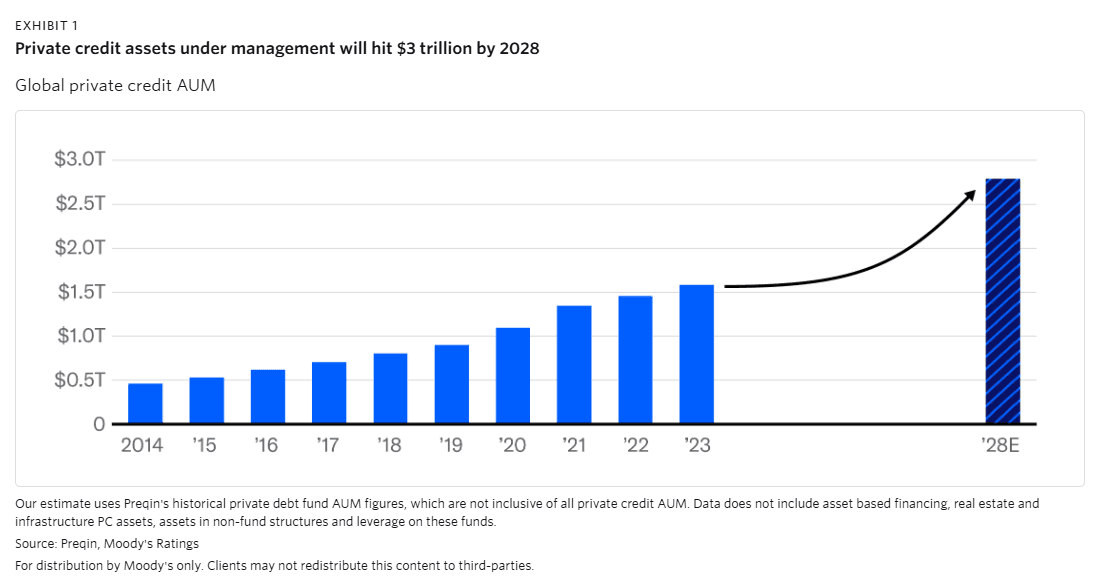
Private credit has surged into the mainstream, growing as banks have pulled back from much of direct corporate lending since the financial crisis, leaving non-bank lenders to step in with more flexible financing and higher yields for investors. Once the preserve of institutions, it is now drawing billions from affluent individuals, with US investors committing nearly $50 billion in the first half of this year alone. Europe is also seeing rapid growth, with evergreen funds opening the door to new investors and opening a channel for capital in Europe, just as venture funding and IPO markets remain a bit subdued.
Yet this boom comes as some of the market’s most experienced players urge caution. Singapore’s sovereign wealth fund GIC, a long-time investor in private credit, has warned that spreads are tight, valuations are stretched, and the sector has yet to weather a sustained default cycle. JPMorgan’s Jamie Dimon has also flagged potential risks if growth continues unchecked.
This creates a striking paradox: just as individuals pile in, some of the largest institutions are pulling back. While systemic risk may be limited, losses are spread across asset managers rather than banks, competition for deals is fierce, and returns are already being squeezed.
Private credit’s appeal is undeniable, filling a financing gap and offering diversification. But its rapid rise demands discipline. The real test will come not in the current market, but when credit conditions tighten. For now, private credit stands at a crossroads: booming in popularity, yet facing its most uncertain phase.