

Sector:
Cleantech
Country:
Sweden
Year
2026
Short Description
Rebaba is a Swedish energy technology company building circular battery energy storage. It combines electric vehicle batteries recovered from the market with patent-pending control technology, turning retired packs into systems for EV charging, buildings and industry. Two products cover the range, Companion, a 40 kWh cabinet for homes and smaller sites, and Containerised for commercial and industrial use, both enabling load shifting, local generation storage, peak shaving and grid balancing. Production runs from its CircularHub in Stockholm.
Founders

Paula Runsten
,
Co-founder & CEO
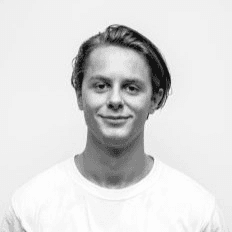
Felix Kruse
,
Co-founder & CTO
Why we invested
Electric vehicle batteries are retired with 70 to 80 percent of their useful life still in them, and Rebaba turns those packs into high-performance storage by combining them with patent-pending technology and standard, locally available components, so that virtually any technician anywhere can build one. The model is a blueprint that travels rather than a single factory, which makes it unusually scalable. Europe wants to build storage capacity without deepening its dependence on scarce raw materials or costly imports, and Rebaba turns what has already been mined and manufactured into local capacity instead. Circular, locally buildable infrastructure in a market this structurally motivated is where we believe enduring value gets created, and Paula and Felix are the founders we want building it.
Founder Story
Paula & Felix
,
Co-founders
Paula grew up outside Stockholm loving cars and loving nature, and never saw a conflict between the two. On her sabbatical year after high school, someone came by her office to talk about electric vehicles. She still has the messages she sent that afternoon saying she had to work with EVs. Mechanical engineering followed, then a student team that built a self-driving electric Formula car. She applied to Tesla in her first year, did not get in, kept applying. Northvolt took her in 2021, stress-testing prototype cells by pushing them until they blew up. Tesla came later, six months driving prototypes through Scandinavian winters to find out what autonomy does in snow.
Felix grew up on the other side of Stockholm, alone in the garage building catapults, boats and cardboard cars powered by a lawnmower engine. He studied mechanical engineering, then took consulting work in infrastructure. Making something sustainable was usually the easy part. Getting anyone to do it was not. He quit and joined Northvolt the summer after Paula.
They reached the same conclusion from different departments. Producing a battery means extracting minerals and burning enormous energy, then scrapping a finished pack because a label went on the wrong side. Packs come out of cars with 70 to 80 percent of their life left and go straight to shredding, when they are ideal for stationary storage. They wrote their master's thesis on it in 2023, deliberately not with a company, so they could research exactly what starting one would take.
The thesis took them to Jakarta, where they saw what a battery and solar do in a place the grid never reached. Access to electricity is access to healthcare, education and clean water. That is the ambition, and the control unit Felix built is what makes it reachable. It translates between the battery and the grid, so the pack still thinks it is in a car while it powers a building. The complexity sits in that one piece, so whole packs go in as they are and the rest can be assembled from standard parts by any technician, anywhere. The batteries already exist, and Rebaba is making reuse scalable.
Paula grew up outside Stockholm loving cars and loving nature, and never saw a conflict between the two. On her sabbatical year after high school, someone came by her office to talk about electric vehicles. She still has the messages she sent that afternoon saying she had to work with EVs. Mechanical engineering followed, then a student team that built a self-driving electric Formula car. She applied to Tesla in her first year, did not get in, kept applying. Northvolt took her in 2021, stress-testing prototype cells by pushing them until they blew up. Tesla came later, six months driving prototypes through Scandinavian winters to find out what autonomy does in snow.
Felix grew up on the other side of Stockholm, alone in the garage building catapults, boats and cardboard cars powered by a lawnmower engine. He studied mechanical engineering, then took consulting work in infrastructure. Making something sustainable was usually the easy part. Getting anyone to do it was not. He quit and joined Northvolt the summer after Paula.
They reached the same conclusion from different departments. Producing a battery means extracting minerals and burning enormous energy, then scrapping a finished pack because a label went on the wrong side. Packs come out of cars with 70 to 80 percent of their life left and go straight to shredding, when they are ideal for stationary storage. They wrote their master's thesis on it in 2023, deliberately not with a company, so they could research exactly what starting one would take.
The thesis took them to Jakarta, where they saw what a battery and solar do in a place the grid never reached. Access to electricity is access to healthcare, education and clean water. That is the ambition, and the control unit Felix built is what makes it reachable. It translates between the battery and the grid, so the pack still thinks it is in a car while it powers a building. The complexity sits in that one piece, so whole packs go in as they are and the rest can be assembled from standard parts by any technician, anywhere. The batteries already exist, and Rebaba is making reuse scalable.
Sector:
Cleantech
Country:
Sweden
Year
2026
Short Description
Rebaba is a Swedish energy technology company building circular battery energy storage. It combines electric vehicle batteries recovered from the market with patent-pending control technology, turning retired packs into systems for EV charging, buildings and industry. Two products cover the range, Companion, a 40 kWh cabinet for homes and smaller sites, and Containerised for commercial and industrial use, both enabling load shifting, local generation storage, peak shaving and grid balancing. Production runs from its CircularHub in Stockholm.
Founders
Paula Runsten
,
Co-founder & CEO
Felix Kruse
,
Co-founder & CTO
Why we invested
Electric vehicle batteries are retired with 70 to 80 percent of their useful life still in them, and Rebaba turns those packs into high-performance storage by combining them with patent-pending technology and standard, locally available components, so that virtually any technician anywhere can build one. The model is a blueprint that travels rather than a single factory, which makes it unusually scalable. Europe wants to build storage capacity without deepening its dependence on scarce raw materials or costly imports, and Rebaba turns what has already been mined and manufactured into local capacity instead. Circular, locally buildable infrastructure in a market this structurally motivated is where we believe enduring value gets created, and Paula and Felix are the founders we want building it.
Founder Story
Paula & Felix
,
Co-founders
Paula grew up outside Stockholm loving cars and loving nature, and never saw a conflict between the two. On her sabbatical year after high school, someone came by her office to talk about electric vehicles. She still has the messages she sent that afternoon saying she had to work with EVs. Mechanical engineering followed, then a student team that built a self-driving electric Formula car. She applied to Tesla in her first year, did not get in, kept applying. Northvolt took her in 2021, stress-testing prototype cells by pushing them until they blew up. Tesla came later, six months driving prototypes through Scandinavian winters to find out what autonomy does in snow.
Felix grew up on the other side of Stockholm, alone in the garage building catapults, boats and cardboard cars powered by a lawnmower engine. He studied mechanical engineering, then took consulting work in infrastructure. Making something sustainable was usually the easy part. Getting anyone to do it was not. He quit and joined Northvolt the summer after Paula.
They reached the same conclusion from different departments. Producing a battery means extracting minerals and burning enormous energy, then scrapping a finished pack because a label went on the wrong side. Packs come out of cars with 70 to 80 percent of their life left and go straight to shredding, when they are ideal for stationary storage. They wrote their master's thesis on it in 2023, deliberately not with a company, so they could research exactly what starting one would take.
The thesis took them to Jakarta, where they saw what a battery and solar do in a place the grid never reached. Access to electricity is access to healthcare, education and clean water. That is the ambition, and the control unit Felix built is what makes it reachable. It translates between the battery and the grid, so the pack still thinks it is in a car while it powers a building. The complexity sits in that one piece, so whole packs go in as they are and the rest can be assembled from standard parts by any technician, anywhere. The batteries already exist, and Rebaba is making reuse scalable.
Paula grew up outside Stockholm loving cars and loving nature, and never saw a conflict between the two. On her sabbatical year after high school, someone came by her office to talk about electric vehicles. She still has the messages she sent that afternoon saying she had to work with EVs. Mechanical engineering followed, then a student team that built a self-driving electric Formula car. She applied to Tesla in her first year, did not get in, kept applying. Northvolt took her in 2021, stress-testing prototype cells by pushing them until they blew up. Tesla came later, six months driving prototypes through Scandinavian winters to find out what autonomy does in snow.
Felix grew up on the other side of Stockholm, alone in the garage building catapults, boats and cardboard cars powered by a lawnmower engine. He studied mechanical engineering, then took consulting work in infrastructure. Making something sustainable was usually the easy part. Getting anyone to do it was not. He quit and joined Northvolt the summer after Paula.
They reached the same conclusion from different departments. Producing a battery means extracting minerals and burning enormous energy, then scrapping a finished pack because a label went on the wrong side. Packs come out of cars with 70 to 80 percent of their life left and go straight to shredding, when they are ideal for stationary storage. They wrote their master's thesis on it in 2023, deliberately not with a company, so they could research exactly what starting one would take.
The thesis took them to Jakarta, where they saw what a battery and solar do in a place the grid never reached. Access to electricity is access to healthcare, education and clean water. That is the ambition, and the control unit Felix built is what makes it reachable. It translates between the battery and the grid, so the pack still thinks it is in a car while it powers a building. The complexity sits in that one piece, so whole packs go in as they are and the rest can be assembled from standard parts by any technician, anywhere. The batteries already exist, and Rebaba is making reuse scalable.