Sector:
Fintech
Country:
UK
Year
2025
Short Description
Synthex is an enterprise AI automation platform for wealth and asset managers that replaces manual operational and compliance workflows without requiring system migration. Sitting above core systems, it connects to existing infrastructure, ingests unstructured data from PDFs, spreadsheets, and emails, and executes regulated processes end-to-end with full audit trails. Institutions use Synthex to automate high-volume workflows such as MiFID cost disclosures, asset transfers, QA reviews, and document validation, areas still dominated by spreadsheets and manual review teams. Unlike generic RPA or LLM tools, Synthex delivers deterministic, compliance-grade automation through a governed orchestration layer, human-in-the-loop approvals, and internal AI judges that validate outputs.
Founders
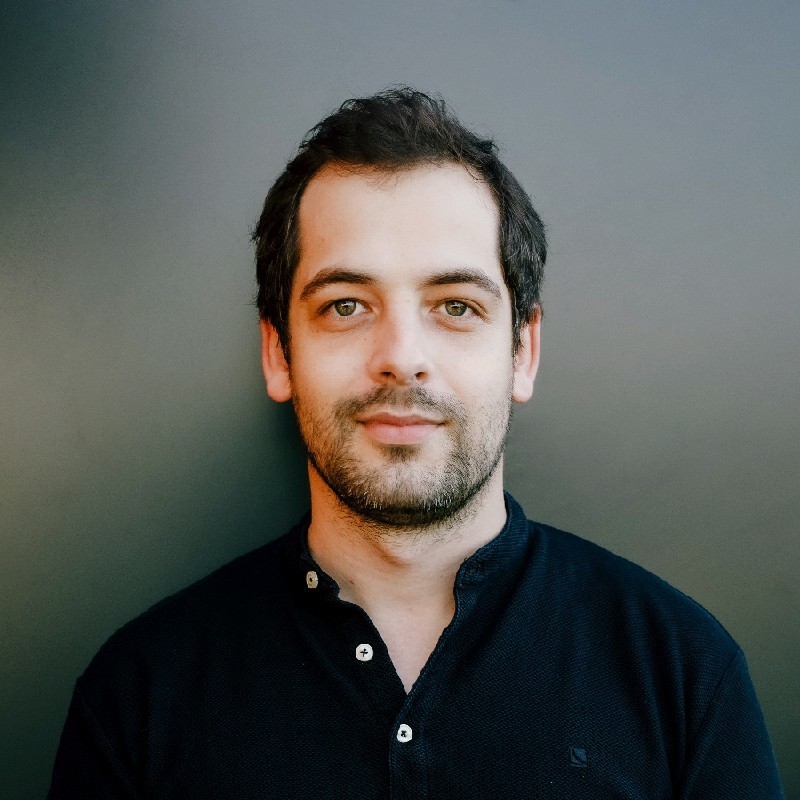
André Costa
,
Co-founder & CEO
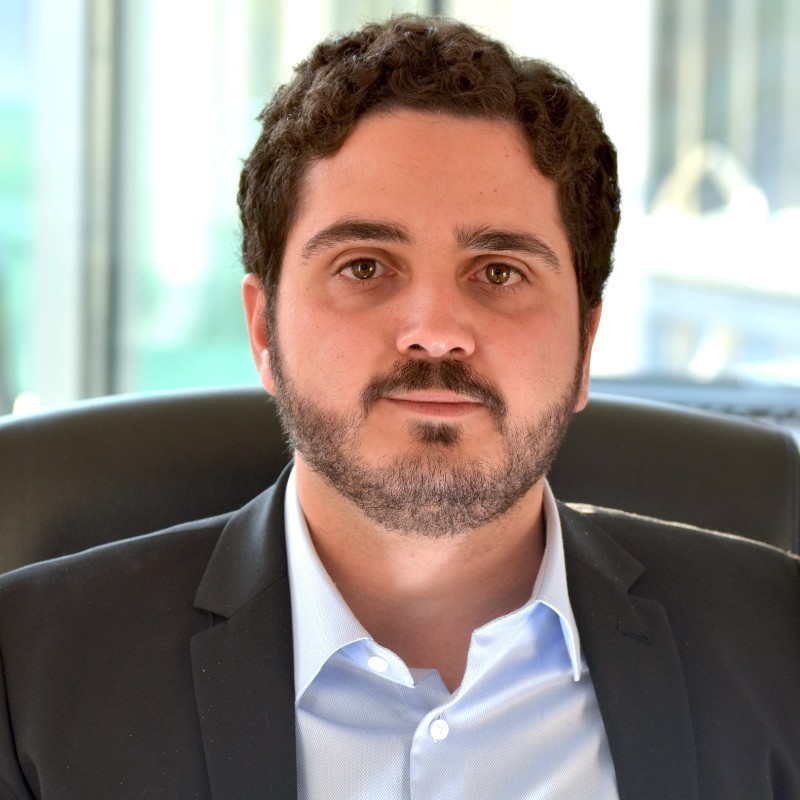
Jean Marc Bejjani
,
Co-founder & CTO
Why we invested
Synthex reflects our view that AI in regulated industries must be trusted before it can be transformative. By sitting above existing systems and automating manual compliance and operations workflows with auditability, approvals, and validation built in, it turns fragmented back-office work into governed execution. Unsexy, high-leverage infrastructure like this is exactly where we believe enterprise AI will create enduring value.
Founder Story
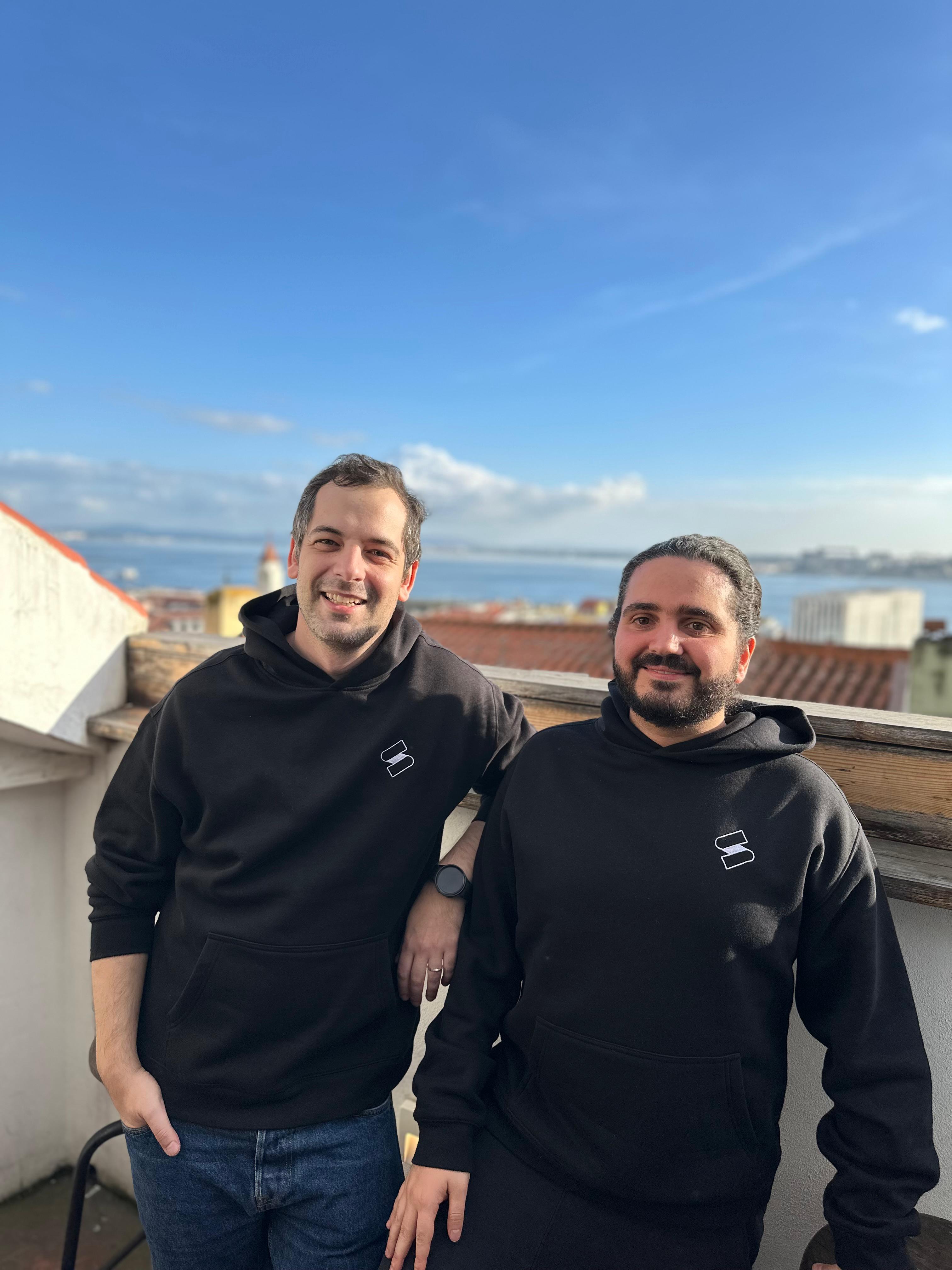
André & Jean Marc
,
Co-founders
André grew up in Lisbon commuting four hours a day to university, alone on buses and boats, caring for a mother with a chronic illness at home. That solitude changed him. He arrived at university one person and left another. A study exchange in Budapest sealed it: with no shared language and no proper tools, he taught himself to code, built augmented reality projects before the infrastructure for them existed, and came back knowing that nine months of figuring things out from scratch had taught him more than the previous thirteen years combined. He went on to build Advicefront, a wealth management software company, grew it from seven people to fifty, and sold it to FNZ in 2023.
Jean Marc left Lebanon at 18 for EPFL in Lausanne, specialised in AI, and spent years building things that pushed against the edges of what was technically possible. A robotics startup doing autonomous surveillance before the models were ready. AI projects at Logitech that worked but never shipped because the business case didn't fit. He joined FNZ wanting to change financial services from the inside and quickly learned how hard that is in an 8,000-person organisation with no appetite for the kind of speed he needed.
They met at a company meeting in Geneva, found each other at lunch, and spent the rest of the trip talking about AI and how broken the back office of financial services really was. The industry was running regulated, high-stakes processes on spreadsheets and email chains, not because no one wanted to change it, but because nothing trustworthy enough had come along. They tried to build it internally. The politics wouldn't allow it. André quit first. Jean Marc followed.
Synthex exists because the most consequential work in financial services is still done by hand. André and Jean Marc built it to fix that, with governance, auditability, and human oversight built in from the start, not bolted on after.
André grew up in Lisbon commuting four hours a day to university, alone on buses and boats, caring for a mother with a chronic illness at home. That solitude changed him. He arrived at university one person and left another. A study exchange in Budapest sealed it: with no shared language and no proper tools, he taught himself to code, built augmented reality projects before the infrastructure for them existed, and came back knowing that nine months of figuring things out from scratch had taught him more than the previous thirteen years combined. He went on to build Advicefront, a wealth management software company, grew it from seven people to fifty, and sold it to FNZ in 2023.
Jean Marc left Lebanon at 18 for EPFL in Lausanne, specialised in AI, and spent years building things that pushed against the edges of what was technically possible. A robotics startup doing autonomous surveillance before the models were ready. AI projects at Logitech that worked but never shipped because the business case didn't fit. He joined FNZ wanting to change financial services from the inside and quickly learned how hard that is in an 8,000-person organisation with no appetite for the kind of speed he needed.
They met at a company meeting in Geneva, found each other at lunch, and spent the rest of the trip talking about AI and how broken the back office of financial services really was. The industry was running regulated, high-stakes processes on spreadsheets and email chains, not because no one wanted to change it, but because nothing trustworthy enough had come along. They tried to build it internally. The politics wouldn't allow it. André quit first. Jean Marc followed.
Synthex exists because the most consequential work in financial services is still done by hand. André and Jean Marc built it to fix that, with governance, auditability, and human oversight built in from the start, not bolted on after.
Sector:
Fintech
Country:
UK
Year
2025
Short Description
Synthex is an enterprise AI automation platform for wealth and asset managers that replaces manual operational and compliance workflows without requiring system migration. Sitting above core systems, it connects to existing infrastructure, ingests unstructured data from PDFs, spreadsheets, and emails, and executes regulated processes end-to-end with full audit trails. Institutions use Synthex to automate high-volume workflows such as MiFID cost disclosures, asset transfers, QA reviews, and document validation, areas still dominated by spreadsheets and manual review teams. Unlike generic RPA or LLM tools, Synthex delivers deterministic, compliance-grade automation through a governed orchestration layer, human-in-the-loop approvals, and internal AI judges that validate outputs.
Founders
André Costa
,
Co-founder & CEO
Jean Marc Bejjani
,
Co-founder & CTO
Why we invested
Synthex reflects our view that AI in regulated industries must be trusted before it can be transformative. By sitting above existing systems and automating manual compliance and operations workflows with auditability, approvals, and validation built in, it turns fragmented back-office work into governed execution. Unsexy, high-leverage infrastructure like this is exactly where we believe enterprise AI will create enduring value.
Founder Story
André & Jean Marc
,
Co-founders
André grew up in Lisbon commuting four hours a day to university, alone on buses and boats, caring for a mother with a chronic illness at home. That solitude changed him. He arrived at university one person and left another. A study exchange in Budapest sealed it: with no shared language and no proper tools, he taught himself to code, built augmented reality projects before the infrastructure for them existed, and came back knowing that nine months of figuring things out from scratch had taught him more than the previous thirteen years combined. He went on to build Advicefront, a wealth management software company, grew it from seven people to fifty, and sold it to FNZ in 2023.
Jean Marc left Lebanon at 18 for EPFL in Lausanne, specialised in AI, and spent years building things that pushed against the edges of what was technically possible. A robotics startup doing autonomous surveillance before the models were ready. AI projects at Logitech that worked but never shipped because the business case didn't fit. He joined FNZ wanting to change financial services from the inside and quickly learned how hard that is in an 8,000-person organisation with no appetite for the kind of speed he needed.
They met at a company meeting in Geneva, found each other at lunch, and spent the rest of the trip talking about AI and how broken the back office of financial services really was. The industry was running regulated, high-stakes processes on spreadsheets and email chains, not because no one wanted to change it, but because nothing trustworthy enough had come along. They tried to build it internally. The politics wouldn't allow it. André quit first. Jean Marc followed.
Synthex exists because the most consequential work in financial services is still done by hand. André and Jean Marc built it to fix that, with governance, auditability, and human oversight built in from the start, not bolted on after.
André grew up in Lisbon commuting four hours a day to university, alone on buses and boats, caring for a mother with a chronic illness at home. That solitude changed him. He arrived at university one person and left another. A study exchange in Budapest sealed it: with no shared language and no proper tools, he taught himself to code, built augmented reality projects before the infrastructure for them existed, and came back knowing that nine months of figuring things out from scratch had taught him more than the previous thirteen years combined. He went on to build Advicefront, a wealth management software company, grew it from seven people to fifty, and sold it to FNZ in 2023.
Jean Marc left Lebanon at 18 for EPFL in Lausanne, specialised in AI, and spent years building things that pushed against the edges of what was technically possible. A robotics startup doing autonomous surveillance before the models were ready. AI projects at Logitech that worked but never shipped because the business case didn't fit. He joined FNZ wanting to change financial services from the inside and quickly learned how hard that is in an 8,000-person organisation with no appetite for the kind of speed he needed.
They met at a company meeting in Geneva, found each other at lunch, and spent the rest of the trip talking about AI and how broken the back office of financial services really was. The industry was running regulated, high-stakes processes on spreadsheets and email chains, not because no one wanted to change it, but because nothing trustworthy enough had come along. They tried to build it internally. The politics wouldn't allow it. André quit first. Jean Marc followed.
Synthex exists because the most consequential work in financial services is still done by hand. André and Jean Marc built it to fix that, with governance, auditability, and human oversight built in from the start, not bolted on after.