Freya Pratty on Six Years Covering European Tech
Sep 25, 2026
3 min read
Author
Jonas Madsen
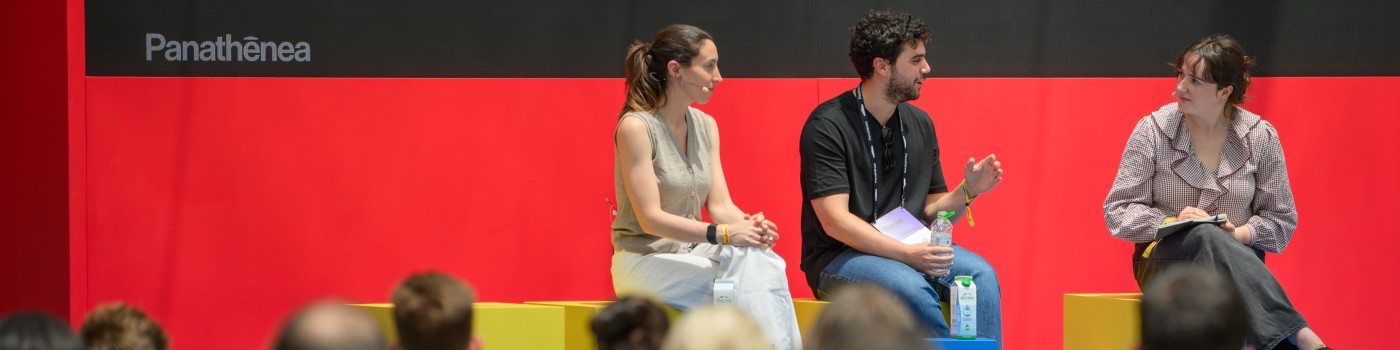
Freya Pratty is Associate Editor at Sifted, where she has spent six years covering European tech.
She started as Sifted's Paris-based reporter and now covers UK startups and Brussels policy, edits other reporters, leads investigations, and breaks deal scoops.
Sifted was founded by the FT's innovation editor John Thornhill to cover Europe's pre-IPO companies. Eight years in, the publication has become the default record of what is actually happening in European tech, and Freya has had a front-row seat for most of that stretch.
Very few people have watched this ecosystem as closely, for as long, and from as many angles. We sat down to talk about what has genuinely changed, what founders and investors consistently get wrong with press, and what she is watching now.

Q&A
1. You have covered European tech for six years, starting as a Paris-based reporter. What is genuinely different about the ecosystem now compared to when you started, and what has not changed at all?
I joined Sifted in 2020, when the tech ecosystem was heading into its frothy, hype years. That was followed by the downturn. 2026 is a slightly undefinable era — a lot of companies are doing very well, and a portion of others are struggling to raise their follow-on rounds. At the same time, the tech of this era feels more ground-breaking. No shade to the speedy grocery boom back in 2021, but covering the latest group of neolabs out of London, where I’m based, feels very exciting.
2. You lead investigations at Sifted. What kind of story is hardest to report in European tech right now, and where do you find founders and investors are least willing to be transparent?
Everyone’s obsessed with ARR, LinkedIn’s most ubiquitous boast. But no one wants to get into the details of how much of it comes out as profit — I think it’s a huge timebomb for many currently buzzy companies. Then there are the themes that are always hard to report on, culture within companies and VC firms being one of them.
3. You co-authored the Climate Tech newsletter and cover deeptech closely. Climate capital has moved in and out of fashion over your six years. Where does that category honestly stand today?
Funding has dipped and that’s depressing, but we see pockets of it returning. Energy, particularly anything related to energy for AI infrastructure, is hugely in vogue. I see generalist firms who weren’t climate investing back in the heyday getting into those rounds today. There’s another dynamic at play: it can be hard to determine quite how much money is still going into climate technologies because the founders are (probably wisely) no longer positioning themselves under that label. They want to be the best startup in their category, rather than simply the greenest.
4. Founders and VCs spend a lot of energy trying to get covered. From the other side of the inbox, what makes a story worth writing, and what is the most common mistake people make when they pitch you?
Our goal is to be the first to write about the companies that go on to change the world. Ground-breaking tech, a well-positioned team and a sizable market. The biggest mistake people make? They make their pitch boring. It has to be exciting.
5. You also cover Brussels and EU policy. How much does European regulation actually shape what gets built here, and is the gap between the policy conversation and the founder reality getting wider or narrower?
Policy has historically shaped what gets built but there’s an increasing realisation that an advantage baked in through regulation cannot be a company’s moat. We saw this with the climate tech downturn.
On the second point: There’s a cohort of larger companies actively engaged in policy and lobbying, but I get the sense the majority of earlier-stage founders are heads down building and don’t have the personnel capacity to be across every policy turn.
6. If we sit down again in two years, what do you expect to be writing about that barely registers today?
Great question, and if I really knew the answer I’d be writing more about it in anticipation. I’m excited to see how the DeepMind alumni’s new companies pan out. VCs are absolutely wetting themselves over them. Whether they live up to the hype is something I imagine we’ll be covering in-depth over the next two years.