The AI Ouroboros
Oct 3, 2025
1 min read
Author
By Rasmus Holt @ BlackWood
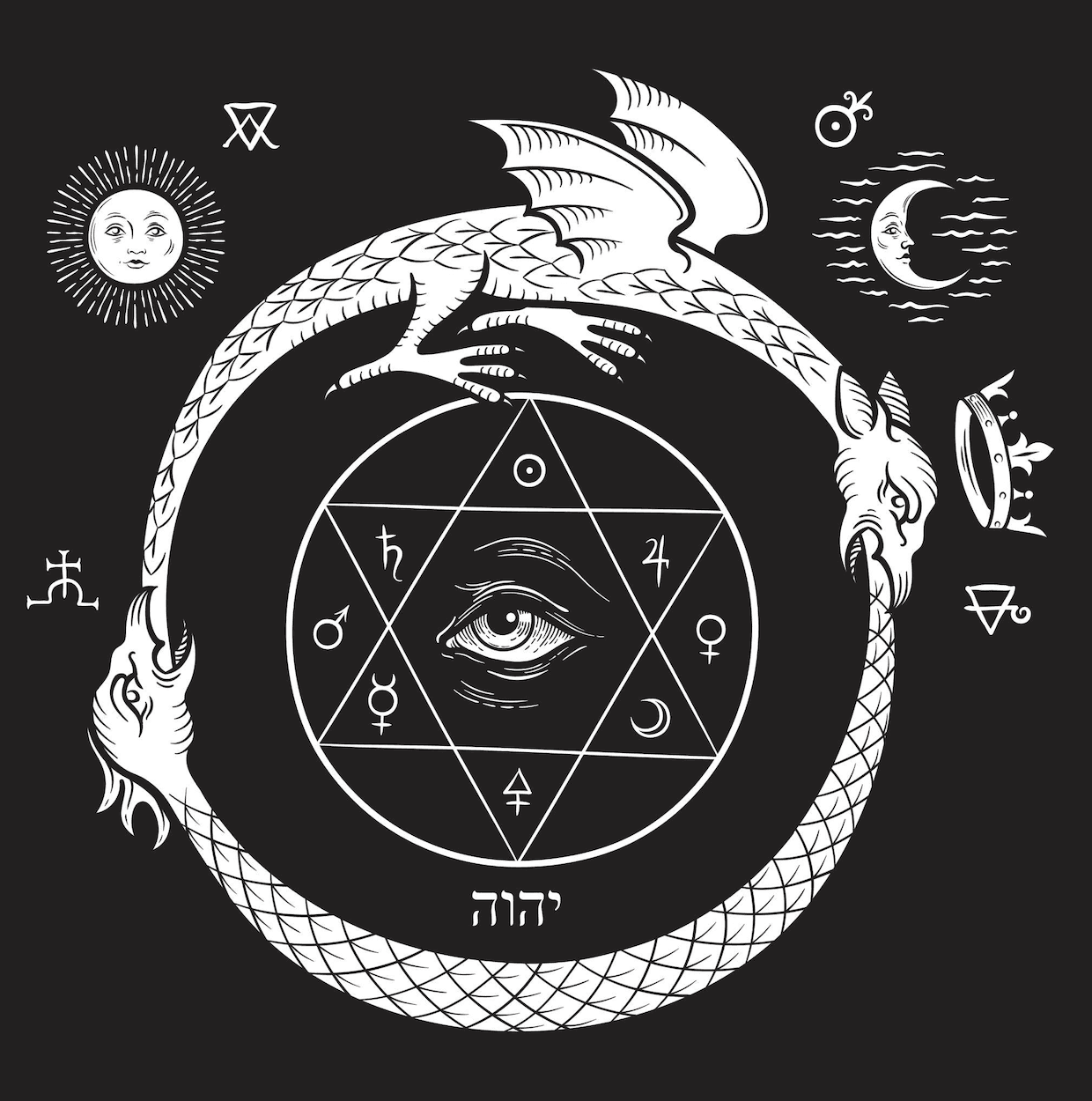
A growing slice of the index is now an AGI trade. Vendor financing between OpenAI, Microsoft, NVIDIA and Oracle pulls demand forward, locks in compute, and flatters revenue. It also concentrates risk. The five largest stocks now account for nearly twice the weight they did ten years ago.
And when the seller funds the buyer, revenue quality blurs. The loop works while scaling stays on schedule. It snaps if energy, supply chains or competition break cadence. For allocators, fighting a benchmarked trade can punish you for a long time. As Keynes warned, markets can stay irrational longer than you can stay solvent.
Luckily, we do not invest in foundational models. As an early-stage fund, we are not built for that. Our stance is to back companies that win if scaling accelerates and still win if it plateaus. But it still matters because the Ouroboros sets the physics of the stack. Vendor-financed buildouts drive the price and availability of compute, which flow straight into API pricing. That shapes the unit economics, product velocity, and deployment options for application-layer companies. If the loop holds, capacity expands and inference costs trend down, which widens markets. If it snaps, quotas tighten, prices rise, and sales cycles slow. Either path changes how we think about burn and pricing power.
For LPs, public holdings already lean into the same AI trade, so venture should be a diversification exercise rather than mirror it. For founders, own a metric customers care about, build with portability in mind, prove margins early, and de-risk access to capacity.