Wave Ventures and the Gen Z Founder Pipeline
Nov 28, 2025
2 min read
Author
Jonas Madsen, Head of IR @ BlackWood
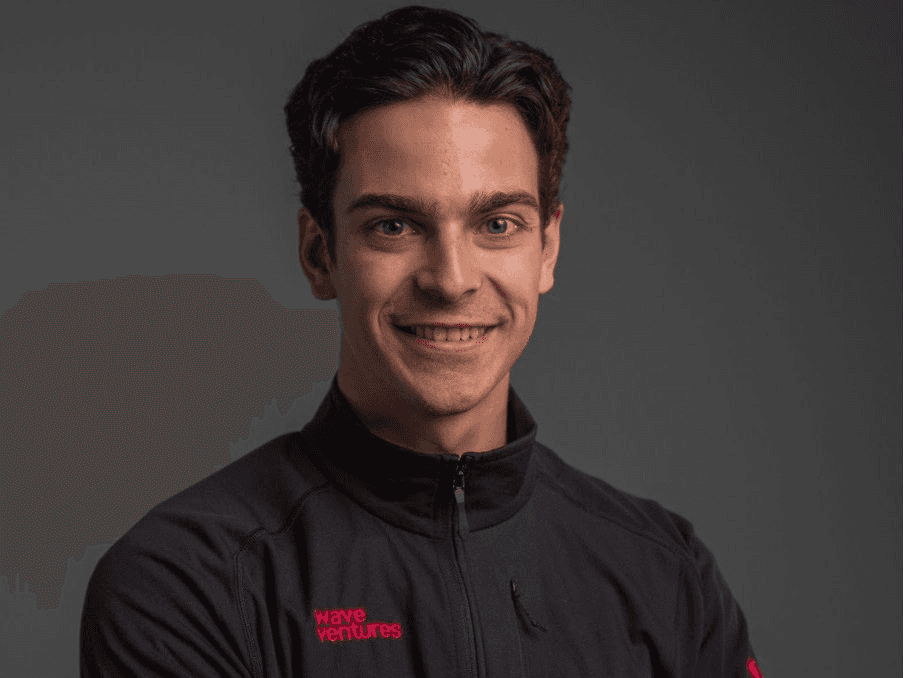
If you want to understand where Europe’s next generation of founders is coming from, you watch people like Robin Hansson.
Robin is an investor at Wave Ventures, Europe’s largest Gen Z run VC fund backing exceptional founders earlier than almost anyone. They’ve been first money into dozens of teams and have backed roughly 80 percent of Finnish VC backed startups led by CEOs under 30.
And it’s no lie that we’ve grown quite close with the Wave team. They embody the spirit of the new generation better than most. High-agency, plugged into the right rooms and fast.
Their model is simple but powerful. Stay embedded in the student and operator communities in Helsinki, Stockholm and Tallinn. Spot the most ambitious builders before they appear on traditional VC radars. Move the second the signal is strong.
Curious about Gen Z founders, speed, and what “being in the room” actually looks like?
Read along…
Q&A - Robin Hansson, Investor @ Wave Ventures
When you meet a first time founder in their early twenties, what signals tell you they are ready for real capital, not just another grant or pitch competition?
Having a clear obsession about a problem they have been looking at, and a clear vision for how to solve it, are the clearest signals. Key components such as having a team that together can accomplish quite a lot is important so that you can be confident there is no lag in momentum after capital is raised. In the stage we invest in, it is all about the founders. So we look a lot into what makes them exceptional and unique.
Most people talk about “being close to the ecosystem.” Wave’s model is to be literally in the same classes, houses and hackathons. What advantage does that give you in seeing companies early, and what are the trade offs?
That is definitely a key part of our model. I would say this is something we have doubled down on in the last year with Founders House in Stockholm and now more to come soon in Helsinki and Tallinn. The biggest advantage I would say is the fact that we are able to make really good relationships with the founders at these stages, before it becomes transactional.
It allows us to spot talent very early on and therefore help them out with their direction and connecting them to the right people. The only downside I see with this is that it requires you to really be hyperlocal with boots on the ground. One can not be at many places at the same time, giving us a concentrated focus, now being the new Nordics.
Gen AI has dropped the cost of shipping product. Has that changed what “ambition” looks like in your pipeline, or are the best founders still defined more by mindset than by tools.
This is true, and a very strong supporting factor of our thesis. Now, it is easier than ever to go from idea to implementation. This doesn’t necessarily change what ambition looks like for me, but rather allows for the most ambitious ones to stand out even more, leaning in to the pace that has now become standard in the most successful startups. It is crucial to be able to use current tools to your best abilities, but after that, mindset and implementation is all that matters.
From your seat, what is the biggest misconception older investors have about Gen Z founders in the Nordics and Baltics?
I feel like some “traditional” investors are quite sceptical when it comes to the competitiveness of younger founders who naturally have less experience. But when you think about the trends that are shaping the most successful startups today, it is more important than ever to be curious and adaptable to new technologies, with new developments happening weekly. This is something that the new generation is especially good at, looking at the world from a less biased lens, being able to see new ways of solving problems.
If you had to give one piece of advice to a 19 to 23 year old who wants to be on Wave’s radar in the next 12 to 24 months, what should they do this week, not “someday”?
They should already now start talking with the experts of the field they are deeply passionate about, trying to understand what misconception there still exists or new opportunities that they might be able to tap into, and then start building up a team and network with that expertise.