What Is Allbirds Pivoting To?
Apr 17, 2026
3 min read
Author
Maxime Pasquier
Allbirds has found a very modern solution to a very old problem. If investors no longer want to own your company, give them a different one.
The group that once sold wool trainers, sustainable branding, and a mildly sanctimonious version of consumer taste has agreed to sell the Allbirds brand and footwear assets, pay shareholders a special dividend, raise $50mn in convertible financing, rename itself “NewBird AI,” and pursue a future in GPU-as-a-service and AI cloud infrastructure. Environmental conservation, once important enough to be written into the company’s charter, is now apparently expendable.
The usual idea of a turnaround is relatively dull - fix operations, improve margins, win customers back, and stop disappointing people. Allbirds’ version is more imaginative as it seems. Sell the operating business, keep the listed shell, and attach that shell to a category the market still finds exciting. More specifically, the post-Allbirds entity says it wants to use the new financing facility to acquire high-performance GPU assets and lease compute capacity, with the longer-term ambition of becoming a GPU-as-a-Service and AI-native cloud provider. Strategic reincarnation, then, but with convertible notes!
That is what makes the story worth more than a meme-stock chuckle. The interesting thing is not simply that AI remains a fashionable word. It is that public markets seem perfectly willing to let a company shed one identity and borrow another, provided the new label carries a higher multiple and a large enough promise.
Shoes, after all, are an awkward business. They require customers, inventory, distribution, repeat demand, and the occasional encounter with reality. AI infrastructure belongs to a much friendlier narrative universe: scarcity, scale, compute hunger, strategic relevance, and vast future demand. Shoes have to be sold, GPUs merely have to be part of the plan.
The uglier implication is that for some public companies, improving the business may now be less attractive than escaping it. If the market has stopped rewarding what you are, the temptation is not to become better at it, but to become adjacent to something else. The listed vehicle survives, the story changes and shareholders are invited to decide whether they still own a company or simply a more fashionable sentence.
Allbirds may yet fail in AI as thoroughly as it failed in footwear. That is possible, perhaps even likely. But a consumer brand can sell its substance, keep its shell, and re-emerge as an AI infrastructure play, and the market does not immediately treat this as nonsense. It treats it as an “opportunity.”
That tells us something slightly grim about the age. A public company is no longer always judged by what it does. Sometimes it is judged by what category it can plausibly claim to belong to next.
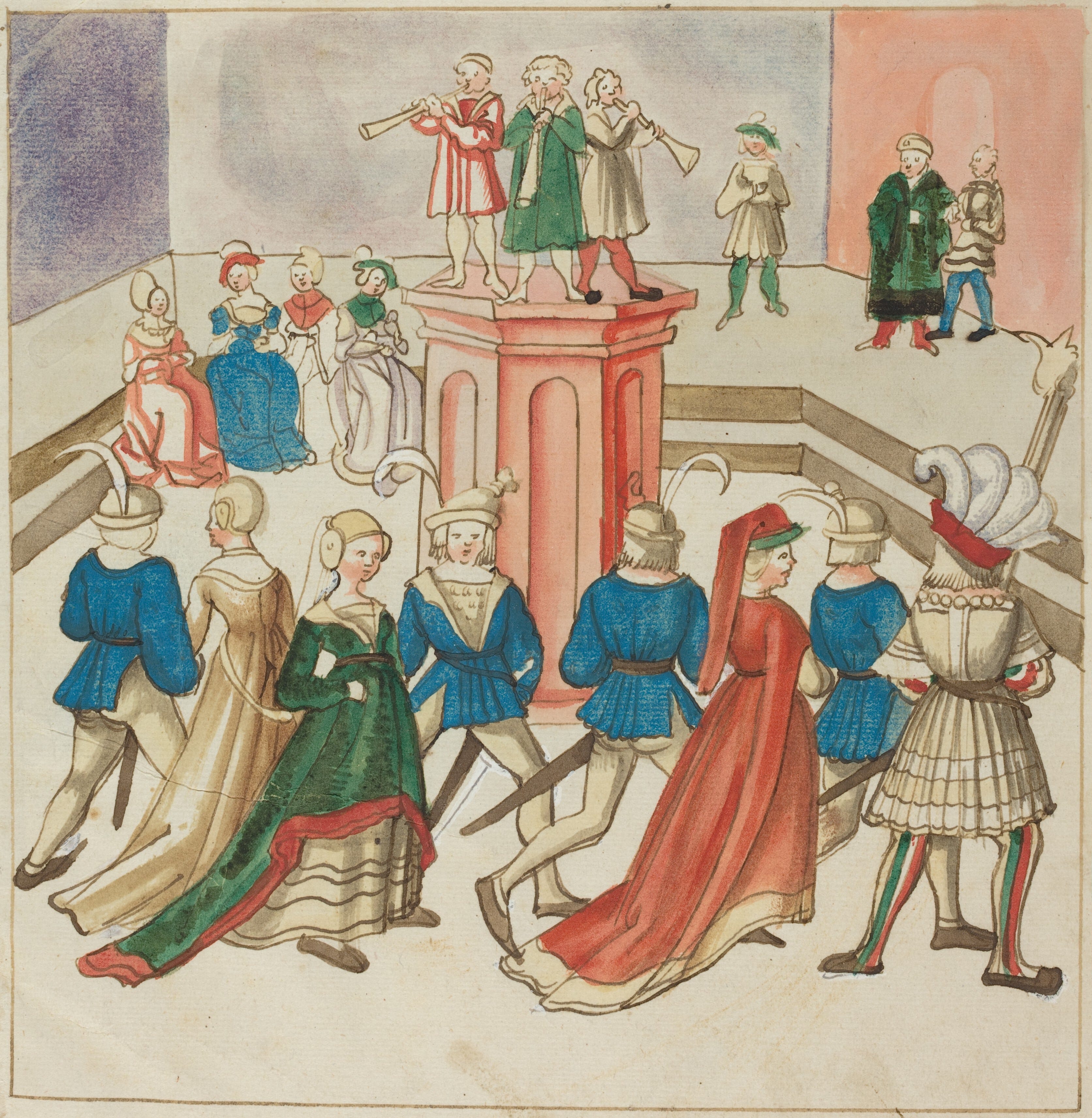
Painting: “Masquerade” (1512)