Figma’s IPO wasn’t mispriced, it was engineered.
Aug 8, 2025
2 min read
Author
By Maxime Pasquier, Investor & Rasmus Holt @ Blackwood
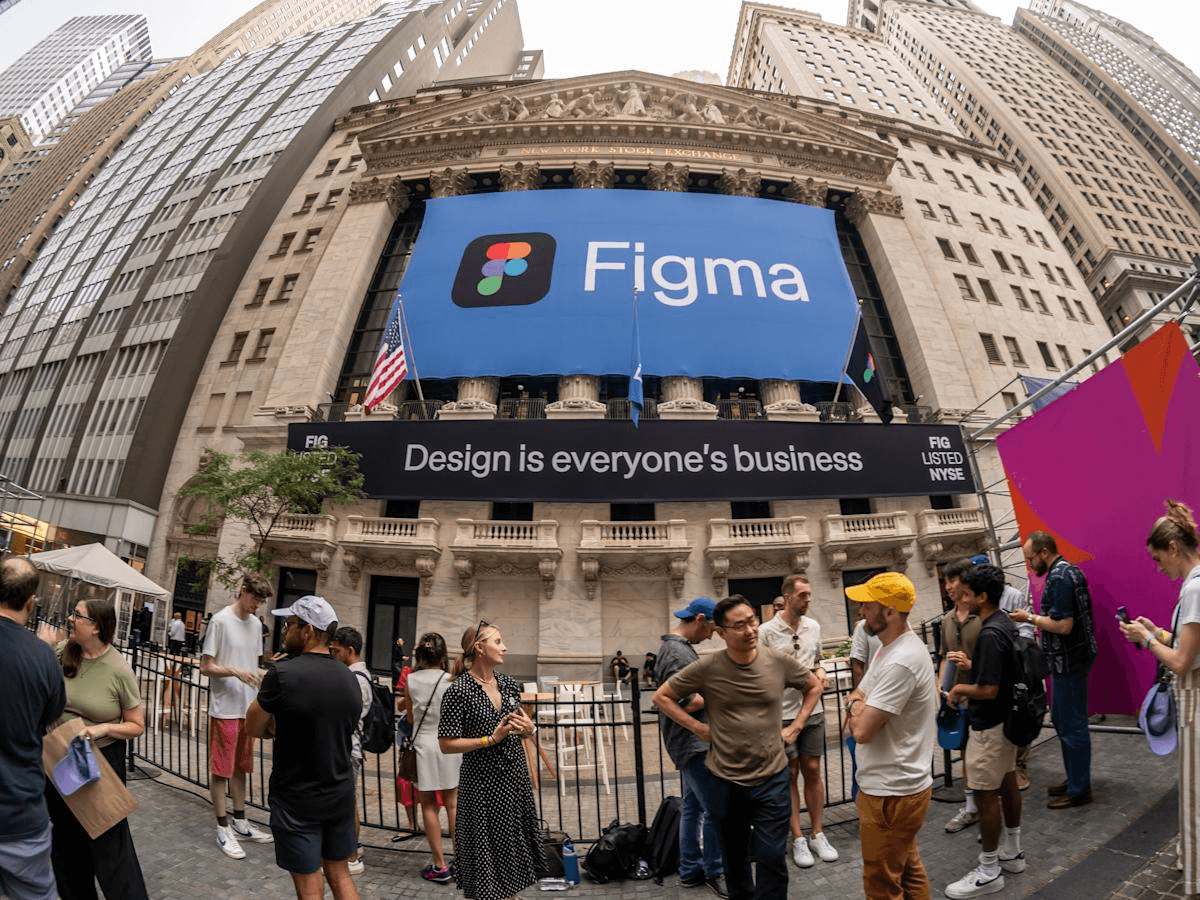
A 250 per cent first-day surge might suggest underpricing, but major shareholders barely sold. This wasn’t a trade to maximise proceeds, it was a calculated re-entry. The objective was to control the narrative, generate momentum, and test whether the IPO market was still functional.
At $60 billion and close to 20 times revenue, the valuation reflects investor appetite and supply scarcity far more than underlying performance. Figma is a high-quality company, strong retention, solid growth, and clean SaaS economics, but the fundamentals have not changed meaningfully since Adobe’s failed acquisition. The listing price tells us more about market conditions than it does about the business itself.
That said, the approach worked. The IPO dominated headlines, drew broad institutional participation, and signalled that the public markets are once again open, if not wide, then at least ajar. The traditional bookbuild process remains an imperfect tool, but in this case, it achieved what was needed: visibility, validation, and momentum.
Shares opened at $85 on a $33 offer and now trade near $90. The move was driven by demand, not revised expectations of future cash flows. Underwriters underestimated interest, while insiders chose to hold. Comparable listings, such as CoreWeave and Circle, have shown similar detachment between early price action and operating reality, a reminder that scarcity, not just substance, continues to distort outcomes.
This is not a reopening in any structural sense, but the freeze is clearly easing. Late-stage companies will take notice. As more supply returns, valuations will need to reset in line with fundamentals. For now, Figma has reminded the market, and its participants, that the IPO remains a viable, if selective, path to scale.