Kia on Running Founders House Helsinki and How to Hack Slush Week
Oct 23, 2026
4 min read
Author
Jonas Madsen
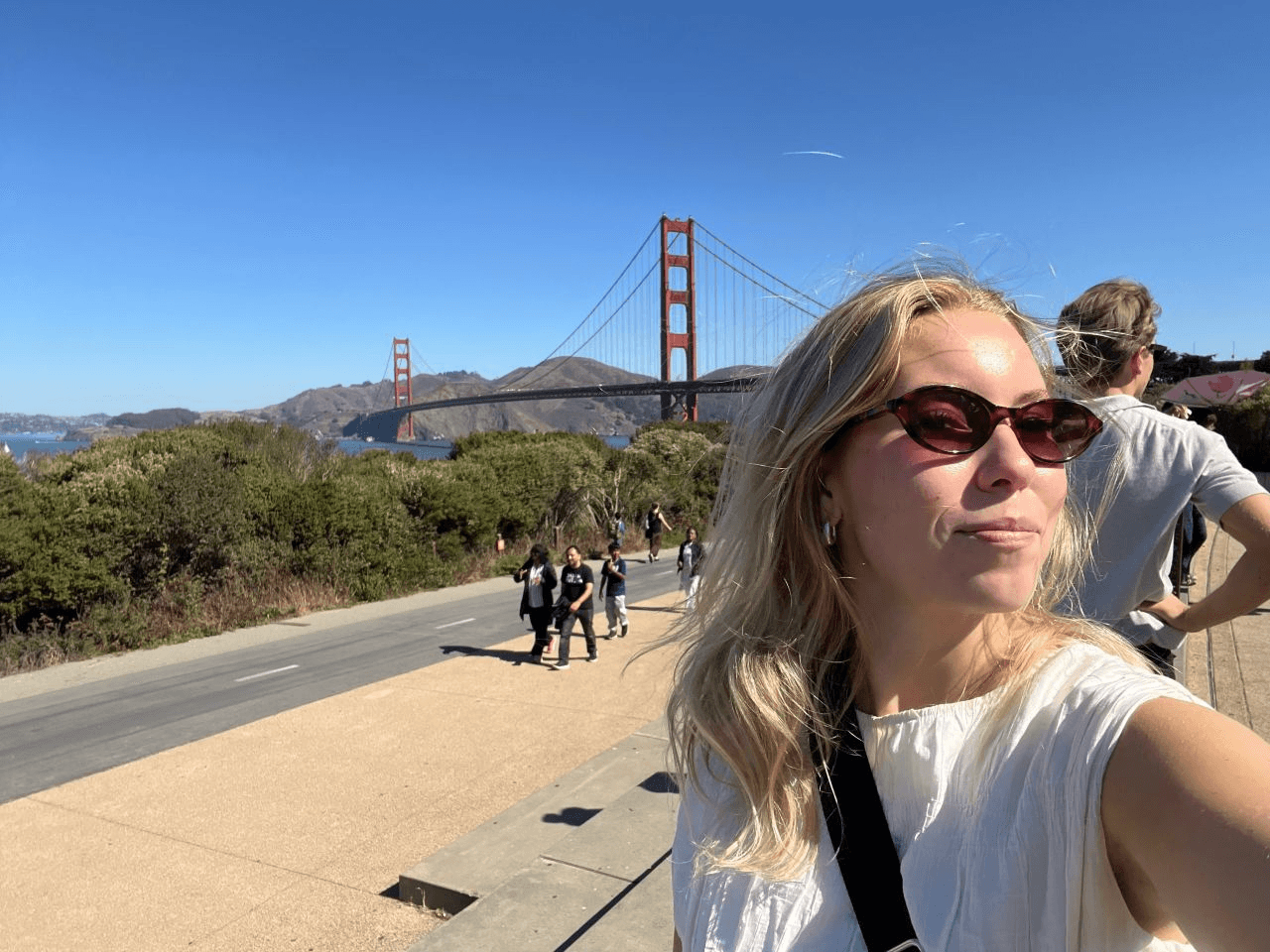
Kia Kanninen is CEO of Founders House Helsinki and part of the founding team that built it: a highly selective community and workspace for Finland’s most ambitious early-stage founders.
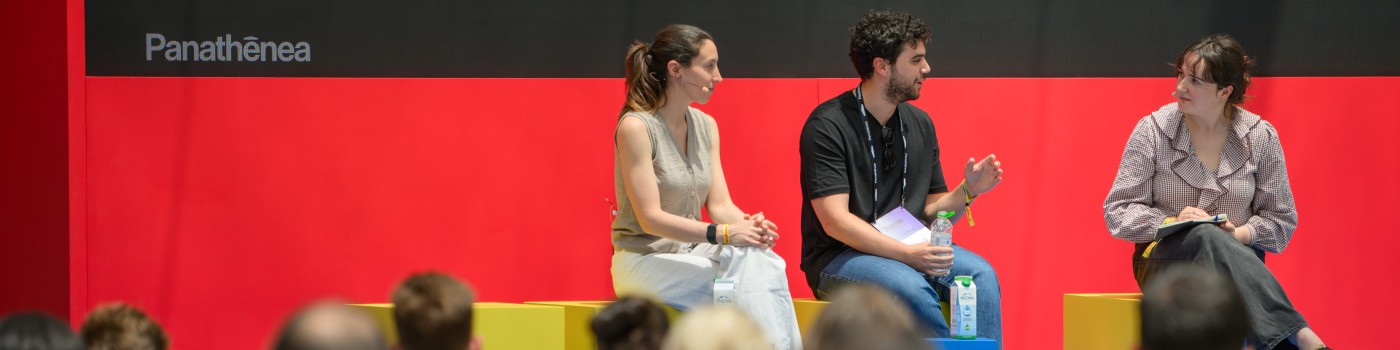
We got to know Kia and the Founders House team when they came to Copenhagen for TechBBQ and spent most of that week together. Young, ambitious, moving fast. We are looking forward to returning the visit in Helsinki for Slush.
Her route here is not the usual one. Studied biomedical engineering, has worked both at and with startups and scaleups: doing research at quantum computing startup Algorithmiq and genetics scaleup Blueprint Genetics, with a year at DHL along the way. Then startup operations at Slush. Eight months after joining Slush she was building Founders House Helsinki from scratch.
Founders House takes no equity. A physical hub, a tightly curated group, and direct access to investors, talent and mentoring, built to produce more globally significant technology companies out of Finland.
With Slush a few weeks away, we sat down to talk about how Founders House happened, what Slush looks like from the inside, and what she is seeing in the next wave of Finnish founders.

Q&A
You joined Slush in March 2025 and by November you were building Founders House Helsinki. Tell us the story of how that happened.
At Slush I talked to founders every day and kept noticing the same gap: Helsinki had no place where the most ambitious early-stage founders built side by side, raising each other’s bar. The best international founders I met had the right networks and resources around them from the very start.
The model had already worked in Stockholm for a year, so the conversations about bringing it to Helsinki moved fast and I couldn’t think of a better team to pull it off with than ours. There was also a bigger feeling that something had to be done, and I didn’t want to be the one watching from the sidelines complaining and waiting for someone else to change things.
I joined right after Slush, and we launched in February 2026. Slush was the perfect training ground: you learn to move fast, get to meet other young ambitious people, and you learn that no ambition is too big.
Most startup hubs end up as co-working spaces with a weak events calendar. What makes the difference between that and a place founders actually get something out of?
Curation, and the people running it. A space is just a space, so the value is in who’s in the room. I review dozens of applications every week, and we’d rather keep a room empty than fill it with a team we don’t believe in 200%.
We run Founders House like a startup ourselves. We move fast, adapt when something isn’t working, and are so embedded in the ecosystem that we often meet the best founders and talent before anyone else.
The value is daily, not on the events calendar. We keep events few and focused and bring the right people and resources together at the right time. And we take zero equity, so our only incentive is a thriving ecosystem and founders who succeed and go big and global, and they know it.
You spent ten months on startup operations at Slush, so you have seen what goes on behind the scenes. What surprised you most, and what do attendees misunderstand about how it works?
The whole thing is built by young and ambitious people. Most are still students, and almost everyone is doing their role for the first time. Yet they pull in speakers, founders and capital at a level most senior teams couldn’t. Nothing is ever too ambitious in that team, and being part of it changes your sense of what’s possible. Working at Slush is basically a founder school, and many of those people go on to become the next-gen of operators, founders and investors.
What most people don’t realise is that every application is reviewed by a human, whether you’re a startup, an investor or a partner. Having been one of those humans, you quickly learn which signals matter and what a great team looks like. Many forget how much that application and profile counts, especially later on when booking meetings or signing up for events through the platform.
Thousands will fly into Helsinki for Slush week. What are your absolute best tips for maximising Slush week, for both founders and investors?
For founders: don’t show up without a plan, hoping to bump into the right investor by chance. The real value of Slush is in the meetings, side events and conversations between stage talks, and most of those are set up well in advance. Use the platform: polish your personal and company profiles, keep them concise, and know exactly who you want to meet. Spray and pray won’t work. Pick smaller, curated side events over the big parties. And always follow up within two days, not two weeks.
For investors: the best founders aren’t necessarily running around the main venue all day, so go to where they work. Spend time in the hacker houses and communities where they actually sit. Helsinki will have a record amount of AUM and LPs in town that week, so meet them, but don’t forget the founders.
Founders House takes zero equity and is built for the most ambitious founders. Curation at that level means saying no a lot. What are you looking for, and what do you turn down?
We look for founders building something that can become globally significant, and moving fast enough to win the race. That means being fully locked in on building and having ambitions that don’t stop at Finland. Most of our teams are AI-native with deep technical skills or domain expertise in the founding team. We also look for proof of exceptional performance from their past, whether it has been working in a fast-paced environment, winning hackathons, coding since childhood or competing in sports at national level.
We turn down teams that aren’t building global from day one, teams that lack focus and urgency, and founders who are still deciding whether to go all in. If we can’t see a path to the next unicorn or decacorn, it’s a no.
You see who is starting companies in Finland right now. What is different about this wave, and what do you want to see built?
The ambition level has increased (even though we still have a long way to go). I see a lot of young talent thinking bigger and bigger from day one, and the best founders go very quickly after the big markets.
I want to see products that change how the old-fashioned industries are operating, as well as real-world problems where the Nordics already have an advantage, like health, industry and deep tech. Our labs and universities are also full of world-class research and hardware talent waiting to be commercialised. Technology is rarely what holds us back, so the next success stories will come from teams that adapt quickly and sell as ambitiously as they build.