Backed by $30M from Balderton & Atomico to replace ERP for finance teams.
Sep 19, 2025
5 min read
Author
Intro by Maxime Pasquier, Investor @ Blackwood

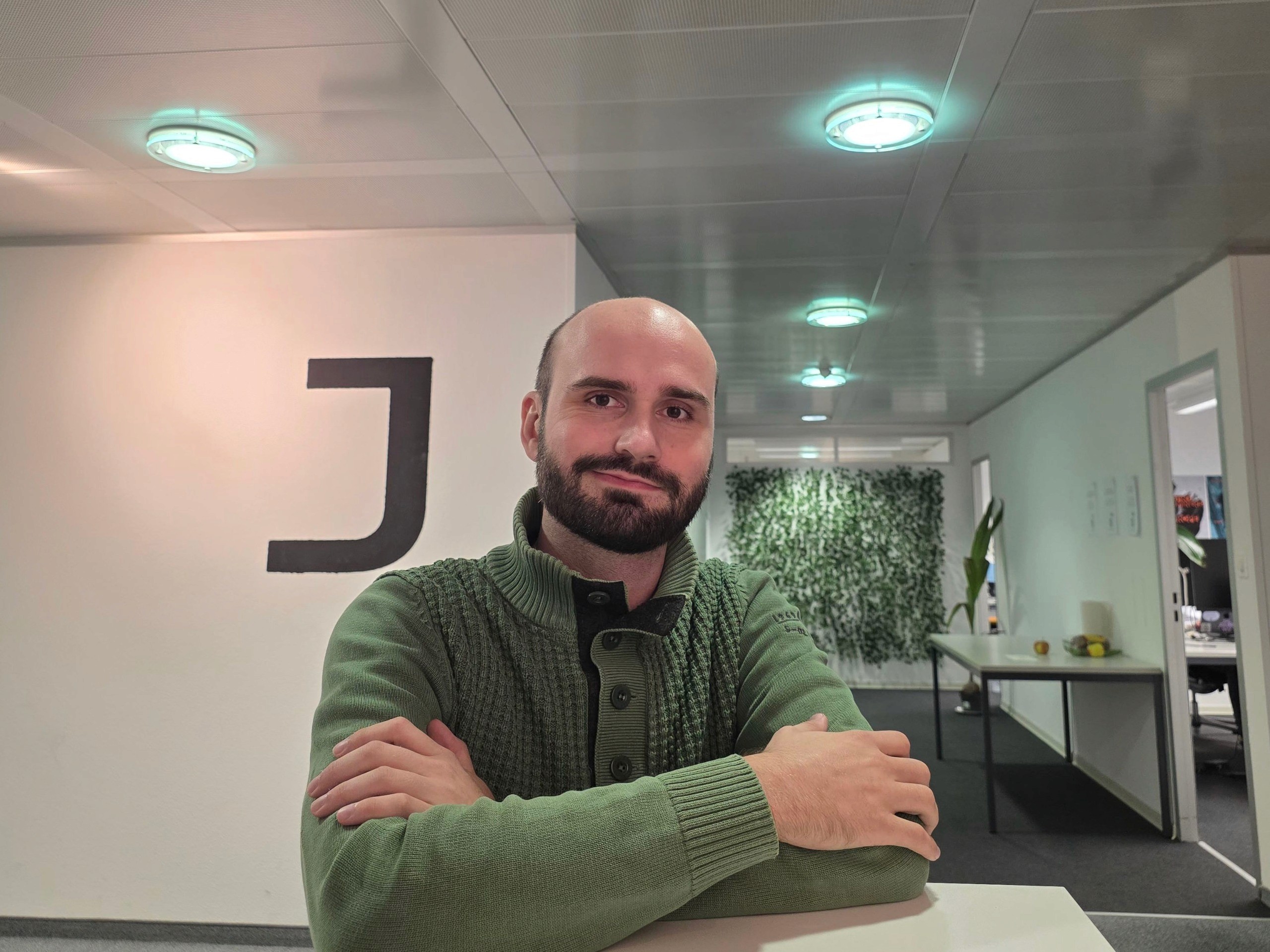
Peter Holt Theisen is helping build Light’s Smart Financial Platform, a new category designed to replace ERP’s outdated hold on multinational finance.
Light closed one of the biggest seed rounds in Denmark, raising $13M led by Atomico, since then a $30M Series A led by Balderton, and was just named to Headline’s AI Europe 100 list of the most promising AI startups shaping the future of Europe, alongside companies like Attio, Legora, Sana, and DeepIP ⚡
As Chief of Staff, he sits at the center of product, operations, and go-to-market keeping everything de-light-ful… pun intended.
His path to Light runs through Google, where he drove growth programs for VC-backed startups across Northern Europe, and IMD, where he earned his MBA as President of the Startup Ecosystem Club on a full scholarship. Along the way he co-founded a high-end wallpaper venture, advised founders, and anchored himself in the startup community through Xoogler.co, building Denmark’s chapter of the global Google alumni network.
Inside Light, Peter has earned a reputation for being the connective tissue across the business. Or, as his new colleague; Chris Bell put it:
“This is Peter Holt Theisen, and I've never met him! But he's already my work best friend. Being Chief of Staff at a high growth company is stressful. You've got to wear many many...many hats, and not only does Peter wear them, he wears them WELL. Customers, Suppliers, Commercials, Product, Talent, Internal Comms - Peter is always there with a smile, force multiplying and connecting the dots for everything we do.(...)”
That made us curious about how he balances it all, so we asked him a few questions.
Q&A - Peter Holt Theisen - Light
As Chief of Staff, you see across product, go-to-market, and operations. Where do you find the most hidden bottlenecks when trying to scale a financial software company?
The hidden bottlenecks often come from the “grey zones” and responsibilities that don’t immediately fit into the org chart; building trusted valuable relationships for early product decisions, operations, sales’ link to customer onboarding, regulatory compliance, partnerships, knowledge transfers, and hiring. These don’t break immediately, but if you don’t spot them early, they compound and slow you down at scale. My job is to be a trusted glue and connect those dots before they turn into roadblocks or take the first 10 steps before you can hire someone. But hey look, this role evolves daily and it is what you make of it.
Many category-defining companies (Salesforce, Workday) started by pulling one piece out of ERP. Light wants to replace ERP for finance. What’s the boldest internal debate you’ve had about how far to push that claim?
The big debate is whether we position ourselves as a replacement for ERP or as the beginning of something entirely new. The legacy ERPs are static; it fossilizes your operations. Light is organic; it keeps learning, healing, and evolving with you as a company. That’s a much bolder claim than “we’re just a better module and here are the consultants who will configure it for you during the next 12 months, but also in 2 years when it breaks because your company operations are different”.
Light argues ERP is a husk. What are the biggest mistakes incumbents make when they try to serve service-sector companies?
Incumbents assume service businesses should conform to the old manufacturing mold: rigid hierarchies, predefined workflows, and fixed data models which is like the ERPs were built. But services are dynamic. They need software that is alive, fluid, and capable of healing itself when processes shift and growth yields multi-entity and multi-currency. Systems who scale without consultant enabled configurations, scripts and 4-6 point solutions where you need to update each data model to be in sync.
“Smart Financial Platform” is a new category. What signals will tell you the category has actually taken hold in the market, versus just being a positioning exercise?
Our clients are now saying “We just got Light.” they don’t say, “we have a board decision next week to start our RFP process for both consultants and a system so we can make a decision next year”. It’s real already.
How do you balance the tension between building features users demand today versus forcing the market to adopt a fundamentally new way of working?
It comes down to sequencing. You earn trust by solving today’s pains, but every feature needs to tie into the bigger shift we’re driving. If you only do the short term, you become a feature factory. If you only do the long term, you lose relevance. The magic is in connecting the two. A lot of systems are based on users saying “we used to have this button in our old system, which would generate a report, can you build the same?”, but when you instead show them how Light can generate a SQL query with natural language that returns the report in a beautiful chart format, which you can edit, export etc then it blows their mind.
You’re vocal about culture: wanting work to be both high-performing and fun. How do you maintain silliness inside a high-stakes, enterprise SaaS environment?
By making it intentional. We wanna make others shine, joke and don’t mind laughing at ourselves. Fun and silly doesn’t compete with performance, instead it empowers and sustains it. Look, it’s quite human; people need trust and being connected with to lead or be led.
Category creation often requires an “army of believers.” How do you identify whether a candidate is motivated by Light’s mission versus just looking for another SaaS role?
I listen to the questions they ask. If it’s all about quotas or exit multiples, they might be great operators, but not true believers. If they ask how CFOs will adopt a new category or how we’ll win trust in an entrenched market where nobody has really built for 20 years, then they’re motivated by the mission.
Light is scaling across London, Copenhagen, Stockholm & New York. What does each ecosystem give you that the others don’t?
ERP has roots in Denmark as Navision was built here before becoming Microsoft Dynamics, so building Light out of Copenhagen gives us both ambition and knowledge on what not to do and do. From there, each hub adds something critical:
London’s talent density gives us great commercial people who are close to our multi-entity customers across Europe and the UK.
Copenhagen anchors us with a legacy of ambitious and beautiful product building.
Stockholm is our design and marketing hub, blending Nordic product craft with category-creation DNA.
New York puts us at the center of global companies as our gateway into serving our US customers too.
It means we’re not just reimagining ERP from one market, but building a system with global relevance from day one.
Reach out to Peter to talk everything SFP: peter@light.inc